

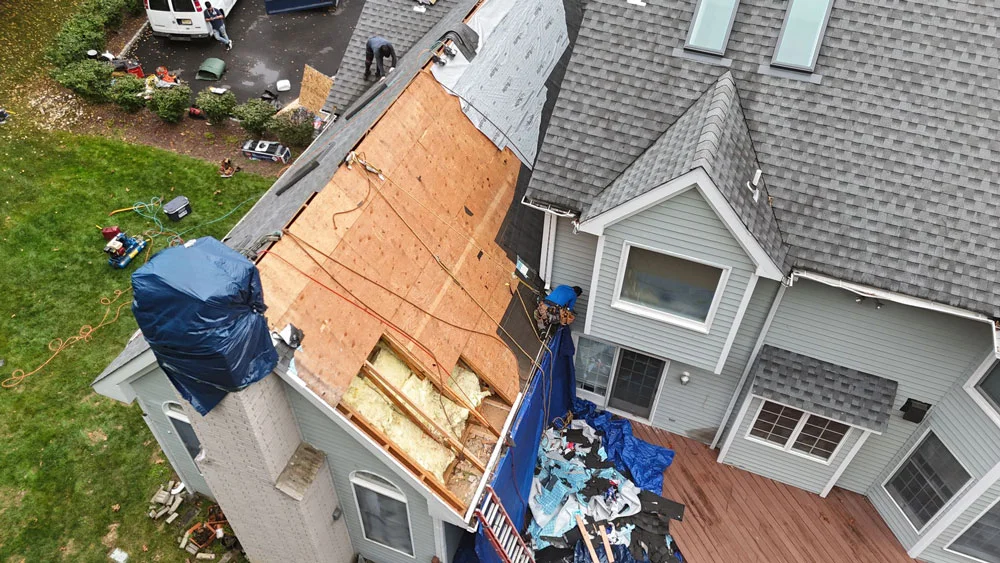
10 Roof Leak Warning Signs Before Water Appears Inside Your Home
Ignoring a small roofing issue can quickly turn into a major roof repair project if early warning signs are overlooked. Many homeowners assume a roof leak begins when they notice water dripping from the ceiling, but the truth is that most leaks develop gradually. Moisture often travels through the roofing system, attic, insulation, and structural framing long before it becomes visible inside the home.
For homeowners throughout Central New Jersey, recognizing these warning signs early can prevent expensive repairs, protect property value, and extend the lifespan of the roof. A professional inspection often identifies hidden problems before they require emergency roof repair or even a complete roof replacement.
At Ori Roofing, we provide professional <a href=”https://oriroofing.com/roofing/”>roof repair services</a> designed to identify leaks, damaged shingles, flashing issues, and storm-related damage before they become serious structural concerns. Whether you’re searching for roof repair near me or simply want peace of mind after a storm, understanding these early indicators can save thousands of dollars in future repairs.
Below are the most common roof leak warning signs every homeowner should know.
10 Warning Signs Your Roof May Be Leaking
1. Missing or Damaged Shingles
One of the earliest and most obvious signs that your roof may require roof repair is damaged or missing shingles.
Severe weather, aging materials, hail, and strong winds can loosen shingles, crack their surface, or completely remove them from your roof. Even a small exposed section allows rainwater to penetrate beneath the roofing materials, creating hidden moisture that spreads over time.
Watch for:
- Missing shingles
- Curled edges
- Cracked shingles
- Lifted roofing materials
- Bare roof areas
If these problems are discovered early, professional roof repair can often restore the affected section without requiring a complete roof replacement.
2. Granules Collecting Inside Your Gutters
Asphalt shingles naturally lose protective granules as they age.
If you notice black, sand-like particles collecting inside your gutters or around your downspouts, your roofing materials may be approaching the end of their service life.
Granule loss reduces your roof’s ability to resist:
- UV rays
- Heavy rainfall
- Snow
- Ice
- Wind
While granule loss does not always indicate immediate failure, it should prompt a professional roof inspection to determine whether repairs or replacement are necessary.
3. Damaged Roof Flashing
Roof flashing protects vulnerable areas where different roofing components meet, including:
- Chimneys
- Skylights
- Roof vents
- Valleys
- Exterior walls
Over time, flashing may crack, rust, separate, or lose its seal.
Because these locations experience frequent water flow, damaged flashing is one of the leading causes of roof leaks.
Professional roof repair includes inspecting every flashing connection to ensure your roofing system remains watertight.
4. Sagging Areas on the Roof
A healthy roof should appear level across its entire surface.
If you notice sagging, uneven sections, or areas that appear lower than surrounding shingles, moisture may already be affecting the roof decking underneath.
A sagging roof often indicates:
- Water damage
- Rotten wood
- Structural deterioration
- Long-term moisture intrusion
This is not a repair homeowners should postpone. Immediate inspection by an experienced roofing company is highly recommended.
5. Mold, Mildew, or Moisture Inside the Attic
Many roof leaks first become visible inside the attic rather than inside living areas.
Inspect your attic regularly for:
- Musty odors
- Damp insulation
- Mold growth
- Mildew
- Wet wooden framing
- Condensation
These warning signs often indicate hidden moisture entering through damaged roofing materials.
6. Rising Energy Bills Without Explanation
A sudden increase in your heating or cooling costs may not seem related to your roof, but it can be one of the earliest warning signs of hidden moisture.
When a roof leak reaches your attic, insulation absorbs water and loses its ability to regulate indoor temperatures. As a result, your HVAC system works harder throughout the year, increasing your monthly utility bills.
If you’ve noticed higher energy costs along with other warning signs, scheduling a roof inspection can help determine whether your roofing system is contributing to the problem.
7. Clogged or Overflowing Gutters
Your gutters play a critical role in protecting your roof by directing rainwater away from your home.
When leaves, branches, and debris block the gutters, water backs up beneath the shingles instead of flowing safely away. Over time, this trapped moisture can damage the roof deck, fascia, and soffits while increasing the likelihood of leaks.
Regular gutter maintenance helps prevent unnecessary roof repair and extends the life of your roofing system.
8. Musty Odors Inside Your Home
Persistent musty smells near ceilings, hallways, or second-floor rooms often indicate hidden moisture behind drywall or inside the attic.
Even if you cannot see water stains, moisture trapped within building materials creates the ideal environment for mold and mildew growth.
Ignoring these odors may allow the problem to spread, increasing repair costs and potentially affecting indoor air quality.
9. Debris Accumulating in Roof Valleys
Roof valleys are designed to collect and direct large volumes of rainwater toward the gutters.
When leaves, branches, or debris accumulate in these areas, water cannot drain properly. Instead, it begins pooling beneath the shingles, increasing the risk of leaks during heavy rain.
Routine roof maintenance helps keep valleys clear and prevents moisture from penetrating the roofing system.
10. Your Roof Is Approaching the End of Its Lifespan
Sometimes the biggest warning sign is simply the age of your roof.
Most asphalt shingle roofs last between 20 and 30 years, depending on installation quality, ventilation, maintenance, and weather exposure.
As roofing materials age, they naturally become more brittle, less resistant to wind, and more susceptible to leaks—even if they still appear to be in good condition from the ground.
If your roof is more than 20 years old, scheduling annual inspections is one of the best ways to avoid unexpected repairs or emergency situations.
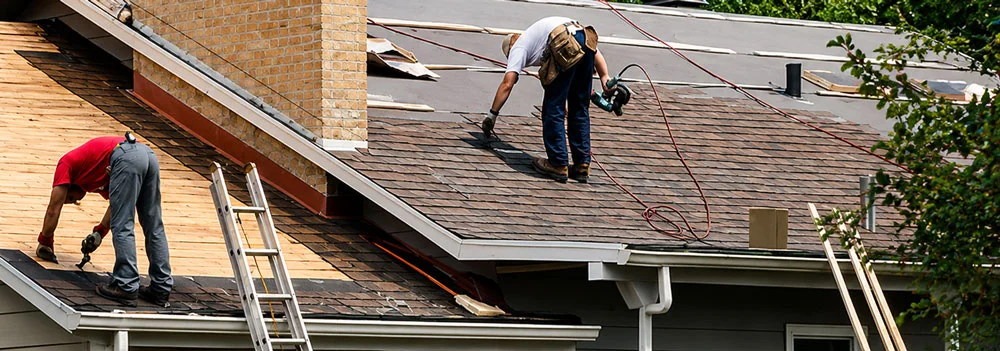
What Happens During a Professional Roof Inspection?
Many homeowners believe a roof inspection only involves checking for missing shingles. In reality, a professional inspection is much more comprehensive.
At Ori Roofing, every inspection is designed to identify visible and hidden problems before they become major repairs.
Our inspection typically includes:
✔ Shingle condition
✔ Flashing around chimneys, vents, and skylights
✔ Roof valleys
✔ Gutters and drainage systems
✔ Roof decking
✔ Attic ventilation
✔ Moisture intrusion
✔ Structural integrity
✔ Storm damage assessment
✔ Areas vulnerable to future leaks
By identifying small issues early, homeowners can often avoid extensive roof repair, reduce long-term maintenance costs, and extend the life of their roofing system.
Why Choosing the Right Roofing Company Matters
Not every roofing problem requires a complete roof replacement.
An experienced roofing company can determine whether a targeted roof repair is enough to restore your roof’s performance or whether more extensive work is necessary.
At Ori Roofing, we believe in honest recommendations and long-term solutions rather than unnecessary replacements. Our team carefully evaluates every roof and explains the available options so homeowners can make informed decisions with confidence.
If you’re looking for experienced Roofers in Central New Jersey, our team is committed to delivering quality workmanship, transparent communication, and dependable service on every project.
To see examples of our completed work, visit our Projects Gallery and explore recent roofing projects completed throughout the region.
Protect Your Home Before a Small Leak Becomes a Major Repair
A roof leak rarely begins with water dripping from the ceiling. Long before that happens, your home usually provides several warning signs that something is wrong.
Missing shingles, damaged flashing, attic moisture, clogged gutters, sagging roof sections, and rising energy bills should never be ignored. Acting quickly can prevent structural damage, reduce repair costs, and help you avoid an unexpected roof replacement.
Whether you need a routine inspection, storm damage assessment, or emergency roof repair, the experienced team at Ori Roofing is here to help.
We proudly serve homeowners throughout Central New Jersey, providing reliable roofing solutions designed to protect homes and families for years to come.
If you’re interested in improving other exterior areas of your property, our partners at Ori Home Improvement also provide professional exterior home improvement services to help maintain and enhance your home’s value.
Schedule Your Professional Roof Inspection Today
Don’t wait until a small leak turns into expensive structural damage.
Whether you’ve noticed damaged shingles, attic moisture, or simply want peace of mind after a storm, Ori Roofing is ready to help.
Contact our team today to schedule a professional roof inspection and protect your home before minor roofing problems become costly repairs.
Whether you need a routine inspection, storm damage assessment, or emergency roof repair, the experienced team at Ori Roofing is here to help.
We proudly serve homeowners throughout Central New Jersey, providing reliable roofing solutions designed to protect homes and families for years to come.
If you’re interested in improving other exterior areas of your property, our partners at Ori Home Improvement also provide professional exterior home improvement services to help maintain and enhance your home’s value.
Frequently Asked Questions
Early signs include missing shingles, damaged flashing, granules in gutters, attic moisture, sagging roof areas, musty odors, and rising energy bills.
Yes. Even a minor leak can damage insulation, roof decking, drywall, electrical systems, and structural framing if left unrepaired.
Most roofing professionals recommend a roof inspection at least once a year and after severe storms.
No. Many leaks can be resolved with timely roof repair if the damage is detected early.
Absolutely. High winds, hail, and heavy rain can damage roofing materials without creating immediate interior leaks.
Most asphalt shingle roofs have a lifespan of 20 to 30 years, depending on maintenance, ventilation, installation quality, and weather conditions.
Common causes include damaged shingles, deteriorated flashing, clogged gutters, storm damage, aging roofing materials, and poor roof maintenance.
If you notice any warning signs discussed in this article, it's best to schedule a professional inspection before the damage worsens.