
20 Signs You Need a New Roof
Your roof protects your home from rain, wind, snow, and changing temperatures. However, roofing materials gradually wear down, and early warning signs often appear long before a serious leak develops.
Knowing when you may need a new roof helps you avoid extensive water damage, plan your budget, and protect your investment. Here are 20 signs homeowners should watch for, especially in Central New Jersey.
Why Replacing Your Roof at the Right Time Matters
An aging roof can affect your home’s structure, appearance, comfort, and long-term maintenance costs.
Timely replacement may help prevent water damage, improve curb appeal, and reduce repeated repairs. Still, not every warning sign requires a complete replacement. A professional inspection can determine whether targeted repairs are sufficient.
20 Warning Signs You May Need a New Roof
1. Your Roof Is Over 20–25 Years Old
Many asphalt shingle roofs last approximately 20–30 years, depending on installation, materials, weather, and maintenance. If yours is approaching that age, consider scheduling an inspection.
2. Missing Shingles
Strong winds and storms can loosen or remove shingles, exposing underlying materials to moisture. Missing shingles should be addressed promptly.
3. Curling or Buckling Shingles
Shingles that curl, lift, or buckle may indicate aging materials, ventilation problems, or deterioration that affects weather protection.
4. Cracked Shingles
Temperature changes, sunlight, and severe weather can cause cracks. Damaged shingles may allow moisture beneath the roofing surface.
5. Excessive Granules in Gutters
Asphalt shingles naturally lose granules over time. However, substantial granule accumulation in gutters may indicate advanced wear.
6. Water Stains on Ceilings
Brown stains, damp spots, or discoloration may signal moisture entering through the roof. Investigate these warning signs before additional damage develops.
7. Moss or Algae Growth
Algae often affects appearance more than performance. Heavy moss, however, can retain moisture and contribute to roofing deterioration.
8. Sagging Roof Areas
Visible sagging may indicate damaged decking or structural concerns. This requires prompt professional evaluation rather than a routine cosmetic repair.
9. Frequent Roof Repairs
Repeated leaks or recurring shingle problems may indicate that individual repairs are no longer providing reliable long-term protection.
10. Damaged Roof Flashing
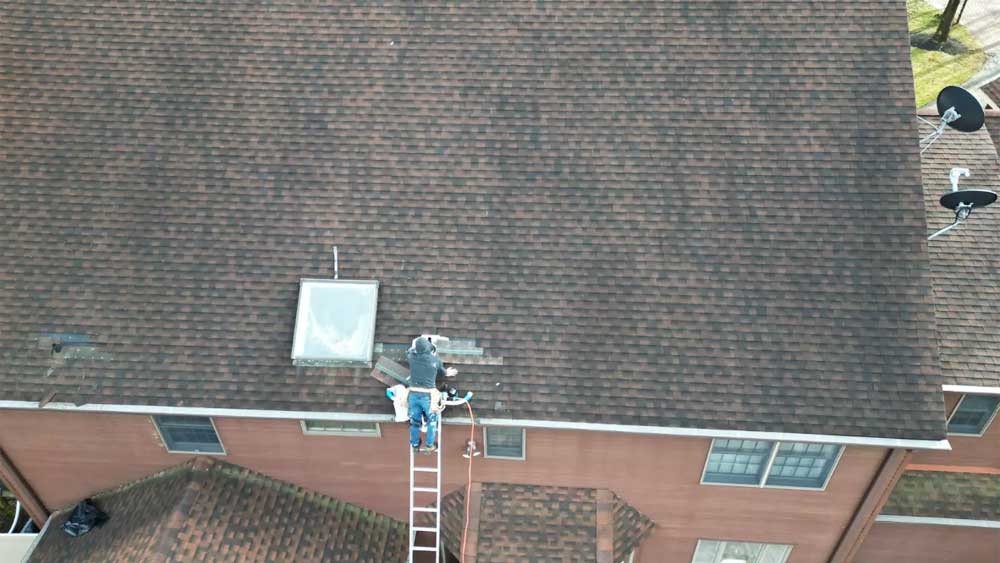
Flashing helps prevent water intrusion around chimneys, skylights, vents, and roof valleys. Loose, corroded, or damaged flashing can create vulnerable entry points.
11. Daylight Visible in the Attic
Light entering through unexpected openings in roof boards may indicate gaps that also allow moisture or outside air inside.
12. Rising Energy Bills
Poor ventilation, inadequate insulation, or roofing-related moisture problems can affect indoor comfort and energy consumption. Higher bills alone do not prove roof failure.
13. Storm or Hail Damage
Strong winds, hail, and fallen branches can damage roofing materials. Some problems remain hidden until leaks or deterioration become noticeable.
Learn more about storm and hail damage repair.
14. Deteriorating Roof Valleys
Roof valleys carry substantial rainwater. Damaged shingles or flashing in these areas can increase the likelihood of leaks.
15. Loose Chimney Flashing
Flashing around chimneys experiences constant weather exposure. Loose sections or failed seals may allow water to enter surrounding roofing materials.
16. Mold or Mildew Indoors
Persistent moisture in ceilings or attics may create conditions for mold growth. The source should be investigated because not all indoor moisture originates from the roof.
17. Peeling Paint Near the Roofline
Peeling paint around soffits, fascia, or exterior trim may indicate prolonged moisture exposure or drainage problems.
18. Damaged Soffits or Fascia
Rotting, stained, or deteriorating roof-edge components can signal water infiltration or overflowing gutters that require attention.
17. Peeling Paint Near the Roofline
Peeling paint around soffits, fascia, or exterior trim may indicate prolonged moisture exposure or drainage problems.
20. Your Roof Looks Worn or Uneven
Extensive fading, uneven surfaces, widespread deterioration, or an overall weathered appearance may suggest that your roofing system needs professional assessment.
What Roofing Professionals Evaluate
A proper roof inspection goes beyond visible shingle damage. Experienced contractors assess several important components:
Roof age and overall condition
Shingles and flashing
Roof decking and structural concerns
Attic ventilation
Gutters and drainage
Chimneys, vents, and penetrations
Signs of moisture intrusion
These findings help determine whether a repair is appropriate or a full replacement offers better long-term value.
If you’re comparing options, read our roof repair vs. roof replacement guide.
Frequently Asked Questions
Many asphalt shingle roofs last around 20–30 years. Actual lifespan depends on material quality, installation, weather exposure, ventilation, and maintenance.
Not necessarily. A few missing shingles may be repairable, but widespread damage or an aging roofing system could justify replacement.
If an inspection identifies significant deterioration, proactive replacement may help prevent future water damage. However, age alone does not always justify replacing a roof.
well-installed roof can improve curb appeal, reassure potential buyers, and protect the property. The financial return depends on the home's condition and local market.