
What Homeowners Should Do Immediately After a Hailstorm
After a severe hailstorm, a hail damage roof inspection can help homeowners identify hidden roofing problems before they lead to leaks or costly repairs. Even when your roof looks fine from the ground, hail impacts may damage shingles, flashing, gutters, and other exterior components.
Hidden damage can eventually lead to leaks, moisture intrusion, and expensive repairs if left unaddressed.
Knowing what to do after a hailstorm helps protect your property, document potential damage, and determine whether a hail damage roof inspection is necessary.
Here are 10 important steps homeowners in Central New Jersey should take after a hailstorm.
Why Taking Action After a Hailstorm Matters
Not every hailstorm causes serious roofing damage. However, strong storms deserve attention, particularly when hail is large or accompanied by high winds.
Taking action early can help you:
Identify visible roofing and exterior damage.
Document storm-related problems.
Reduce the risk of additional water intrusion.
Prepare information for potential insurance claims.
Determine whether professional repairs are necessary.
The goal is to understand your roof’s condition before minor problems become more expensive.
1. Prioritize Your Safety
Before checking your property, make sure the storm has passed and conditions are safe.
Avoid climbing onto your roof, using ladders on wet surfaces, approaching fallen power lines, or entering areas with visible structural damage.
If you notice significant damage, keep your distance and contact the appropriate professionals.
Your safety should always come before inspecting roofing materials.
2. Inspect Your Property From the Ground
You can identify several warning signs without stepping onto your roof.
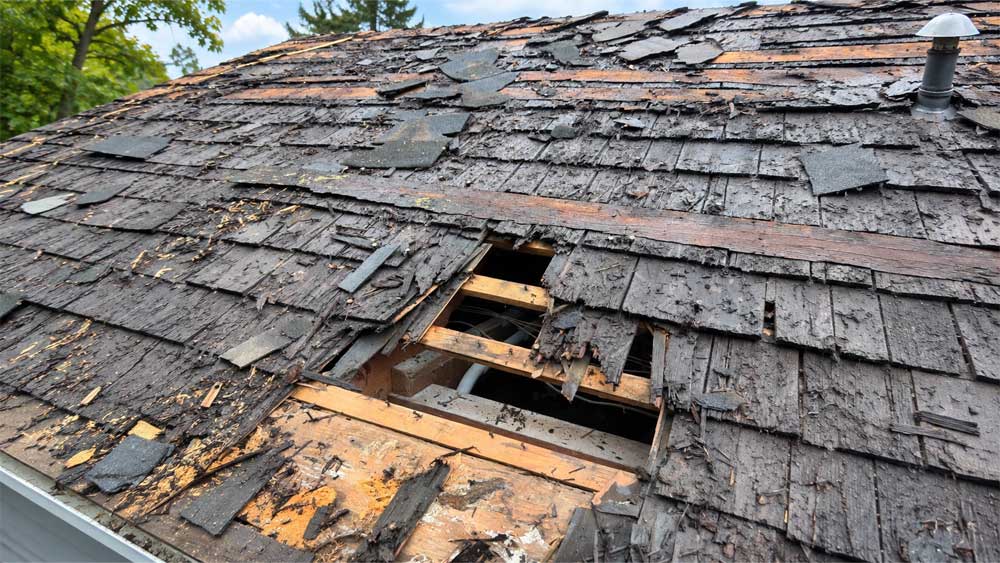
Walk around your home and look for missing shingles, fallen branches, dented gutters, damaged siding, broken windows, or bent metal components.
Pay particular attention to areas where hail may have struck exposed surfaces.
Remember that visible damage is only part of the picture. Some roofing problems require a closer professional examination.
3. Photograph and Document the Damage
Clear documentation can be helpful when discussing repairs or preparing an insurance claim.
Take photographs of damaged roofing areas from a safe location, along with gutters, downspouts, siding, windows, outdoor furniture, and other affected property.
Record the storm’s date, approximate time, and observed hail size if known.
Keep original photographs and avoid altering them. Organized records make it easier to explain what happened and track repairs.
4. Check Your Home for Interior Water Damage
Roofing damage sometimes becomes noticeable inside the home before it is obvious outside.
Look for ceiling stains, damp insulation, water spots, attic moisture, peeling paint, or leaks near windows.
Even small amounts of moisture deserve attention because water can travel through concealed areas before appearing on interior surfaces.
If you discover active leaks, take reasonable steps to protect belongings without exposing yourself to electrical or structural hazards.
5. Prevent Additional Damage Safely
When hail damage causes active water intrusion, temporary protective measures may be necessary.
Move vulnerable belongings away from leaks and arrange professional emergency protection when needed.
Avoid attempting dangerous roof repairs yourself.
Document existing conditions before repairs whenever safely possible, and keep receipts for emergency work.
If you have insurance, review your policy’s requirements for preventing additional damage and documenting expenses.
6. Understand Common Signs of Hail Damage
Hail can affect different roofing materials in different ways.
Common warning signs include:
Missing asphalt shingle granules.
Cracked or fractured shingles.
Visible impact marks.
Dented roof vents or metal flashing.
Damaged gutters and downspouts.
Exposed or weakened roofing materials.
Not every mark indicates functional damage. An experienced roofing professional can help distinguish cosmetic wear from problems requiring repairs.
7. Review Your Homeowners Insurance Coverage
If you suspect storm-related damage, review your homeowners insurance policy and understand its reporting requirements.
Gather photographs, inspection findings, repair estimates, and relevant storm information.
Contact your insurance provider within the applicable reporting deadlines. You do not necessarily need to wait for a contractor’s inspection before notifying your insurer.
Coverage, deductibles, documentation requirements, and claim procedures vary by policy.
A roofing inspection can provide useful information about the condition of your roof, but insurance coverage decisions remain with your insurer.
8. Schedule a Professional Hail Damage Roof Inspection
A professional inspection is especially valuable after significant hail or when you notice possible damage.
Roofing professionals may examine shingles, flashing, vents, chimneys, skylights, gutters, roof decking, and signs of water intrusion.
They can also evaluate whether the damage appears localized or affects larger sections of the roofing system.
A thorough hail damage roof inspection helps homeowners understand whether repairs are necessary and what steps to consider next.
9. Address Confirmed Roofing Damage Promptly
Even relatively small areas of damage can deteriorate with continued exposure to rain, wind, sunlight, and seasonal temperature changes.
Once an inspection confirms a problem, discuss appropriate repair options and timing with your contractor.
Prompt attention may reduce the risk of leaks, additional deterioration, and damage to interior materials.
However, a hailstorm does not automatically mean your roof needs complete replacement. The appropriate solution depends on the extent and condition of the damage.
10. Keep Your Storm and Repair Records
Maintain copies of inspection reports, photographs, estimates, invoices, insurance correspondence, and completed repair documentation.
These records can be useful for future maintenance, warranty questions, insurance discussions, or property sales.
Keeping everything organized also helps you track your roof’s condition over time.
What Professionals Check During a Hail Damage Roof Inspection
An experienced contractor evaluates more than visible surface marks.
A detailed inspection may include shingle integrity, granule loss, flashing connections, roof penetrations, gutters, drainage, and potential moisture intrusion.
At Ori Roofing, the goal is to help homeowners understand their roofing condition and make informed decisions based on the findings.
Learn more about our Storm & Hail Damage Repair Services.
Frequently Asked Questions About Hail Damage
A ground-level visual check is useful after a storm. Consider a professional inspection following significant hail, strong winds, or visible signs of damage.
Yes. Hail impacts may weaken shingles or other roofing components without immediately causing leaks. Continued weather exposure can make existing damage worse.
Review your policy and notify your insurer promptly when you suspect covered damage. You can also arrange a roofing inspection to better understand the property's condition.
You can safely look for visible problems from the ground. Avoid climbing onto a potentially damaged roof, as falls and unstable surfaces present serious risks.
Protect Your Home After a Hailstorm
Hailstorms can leave behind roofing problems that are difficult to identify without professional assistance.
Staying safe, documenting damage, checking your home’s interior, and arranging an inspection when appropriate can help you protect your property.
Ori Roofing focuses on quality workmanship, transparent communication, and practical recommendations.
We also typically provide labor-only estimates, giving homeowners flexibility when selecting roofing materials that meet their preferences, quality expectations, and budget.
Schedule Your Hail Damage Roof Inspection
Has your home recently experienced a hailstorm?
Whether you need an inspection, help understanding storm damage, or professional roofing repairs, Ori Roofing can help you evaluate your options.
Contact Ori Roofing today to discuss your roof’s condition and schedule an inspection.
Proudly serving homeowners throughout Central New Jersey.
For additional roofing maintenance and storm-related information, homeowners can explore educational resources from GAF, a roofing materials manufacturer.