
5 Signs Your Home’s Siding Needs Repair or Replacement
Your gutters and downspouts play an important role in protecting your home from water damage. When they are working properly, rainwater is directed away from your roof, siding, foundation, and other exterior areas. However, small gutter problems can quickly become more serious if they are ignored.
Leaves, branches, heavy rain, ice, wind, and normal wear can all affect your drainage system. In Central New Jersey, seasonal weather can put additional stress on gutters and downspouts throughout the year.
Knowing what to look for can help homeowners identify problems early and determine when professional gutter repair or downspout repair may be necessary.
Here are seven common signs that your gutters and downspouts need attention.
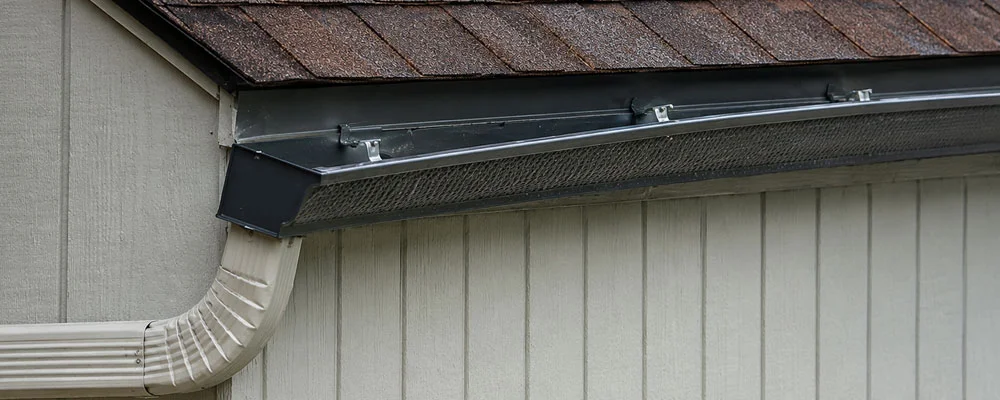
1. Water Is Overflowing From Your Gutters
One of the easiest gutter problems to notice is water overflowing during rainfall.
This can happen when gutters are clogged with leaves and debris, when sections are damaged, or when water cannot reach the downspouts properly.
Instead of flowing through the drainage system, water may spill over the edge and run down your siding or collect around your foundation.
If this happens regularly, the drainage system should be inspected rather than simply cleaned.
2. Your Gutters Are Sagging or Pulling Away
Gutters should remain securely attached to your home and maintain a slight slope toward the downspouts.
If sections are sagging, separating from the fascia, or pulling away from the roofline, they may no longer drain properly.
Sagging can develop because of accumulated debris, standing water, damaged fasteners, or age.
A professional can determine whether the section needs adjustment, repair, or replacement.
3. You Notice Water Stains or Damage Around the Exterior
Water stains beneath gutters or along exterior walls can indicate that water is not being directed away from your home correctly.
You may also notice:
- Stained siding
- Peeling paint
- Moisture near the foundation
- Erosion around the home
- Water pooling near exterior walls
These signs should not be ignored. Persistent moisture can cause additional damage over time.
4. Your Downspouts Are Not Draining Properly
Downspouts are responsible for carrying water away from the gutters and directing it toward a safe drainage area.
If water remains inside the gutter system or comes out near the top of the downspout, there may be a blockage or drainage issue.
A damaged or poorly positioned downspout can also cause water to collect too close to the foundation.
If the problem continues after cleaning, professional downspout repair may be necessary.
5. Plants or Debris Are Growing Inside Your Gutters
If you see grass, moss, weeds, or plants growing inside your gutters, there is likely a significant amount of organic material accumulating there.
This can restrict water flow and add unnecessary weight to the gutter system.
Regular gutter maintenance can help prevent this type of buildup and keep water moving toward the downspouts.
6. You Find Rust, Cracks, or Visible Damage
Older gutters can develop rust, cracks, holes, and separated joints.
Even a small opening can allow water to escape before it reaches the downspout.
After a severe storm, homeowners should also check for dents, loose sections, and other visible damage.
If the damage is extensive, a professional evaluation can help determine whether gutter repair or replacement is the better option.
7. Water Is Pooling Near Your Foundation
Water pooling around your foundation is one of the most important signs that your drainage system may not be working correctly.
Your gutters and downspouts are designed to move rainwater away from the home. If water repeatedly collects near the foundation, the problem may be related to clogged gutters, damaged downspouts, poor drainage, or improper discharge.
Addressing the issue early can help reduce the risk of long-term moisture problems.
How Often Should You Check Your Gutters?
There is no single schedule that works for every property, but homeowners should pay particular attention to their gutters during seasons when leaves and debris accumulate.
A good time to inspect your drainage system is:
- After major storms
- During fall leaf season
- Before winter
- After heavy snowfall or ice
- When you notice water overflowing
Homes surrounded by trees may require more frequent maintenance.
When Should You Call a Professional?
Cleaning accessible gutters can sometimes be part of routine home maintenance. However, homeowners should avoid climbing onto roofs or attempting repairs in unsafe conditions.
Consider professional help if you notice:
- Damaged or detached gutters
- Persistent water overflow
- Broken downspouts
- Water pooling near the foundation
- Significant rust or cracks
- Drainage problems that return after cleaning
A professional evaluation can help identify the actual cause instead of treating only the visible symptom.
For homeowners who need help with their drainage system, gutter repair services can address damaged or poorly functioning gutters and downspouts.
Frequently Asked Questions
Overflowing water, sagging sections, cracks, rust, detached gutters, and water pooling near your home can all indicate that repairs may be necessary.
The appropriate frequency depends on the property, surrounding trees, and amount of debris. Homes with many trees may require more frequent cleaning.
Common causes include clogged gutters, damaged sections, poor slope, or blocked downspouts.
If water backs up in the gutter or does not flow properly through the downspout during rain, there may be a blockage.
Poor drainage can allow water to collect near the foundation. Addressing gutter and downspout problems can help direct water farther away from the home.
The right option depends on the extent, location, and age of the damage. A professional evaluation can help determine the most appropriate solution.
Yes. Damaged, disconnected, or improperly draining downspouts can prevent the gutter system from moving water away from the property.
Contact a professional if you notice leaks, missing shingles, damaged flashing, sagging areas, storm damage, or other signs that your roof may need attention.
If you are considering a roofing replacement project or need professional guidance regarding roof repair and replacement options, our team is ready to help. Contact Ori Roofing today to schedule a roof inspection and receive recommendations tailored to your property’s needs.
Contact Us
When Should You Prepare Your Roof for Winter?
Fall is generally the best time to prepare your roof because homeowners still have an opportunity to address maintenance issues before freezing temperatures and major storms arrive.
A simple schedule can be:
Early fall: Inspect the roof, gutters, flashing, and attic.
Late fall: Complete necessary maintenance or repairs.
Before major storms: Make sure drainage systems are clear.
After severe weather: Schedule an inspection if you notice damage.
Taking action early is usually easier than dealing with an unexpected roofing problem during a winter storm.