
Hailstorm Roof Damage: 7 Steps to Take After a Storm
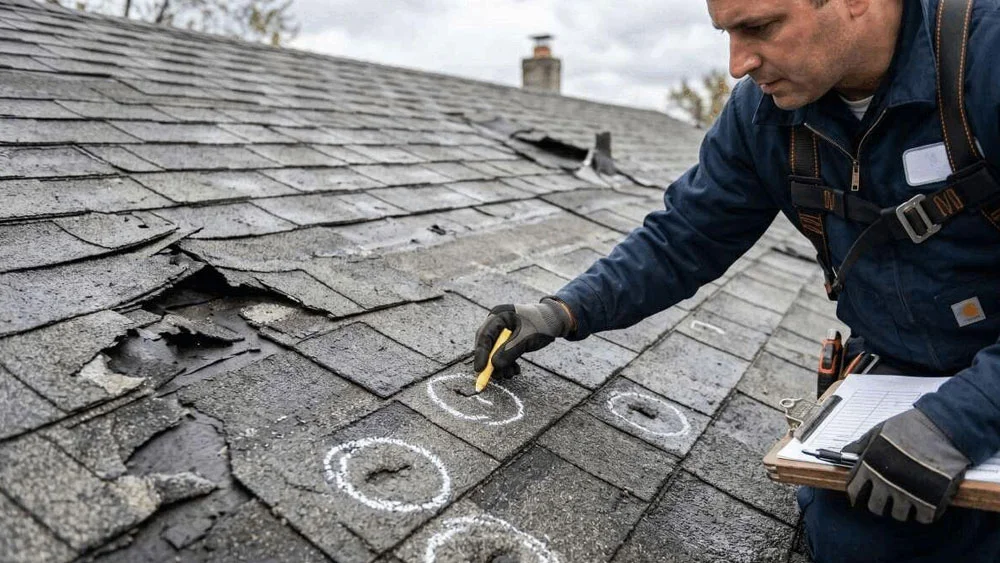
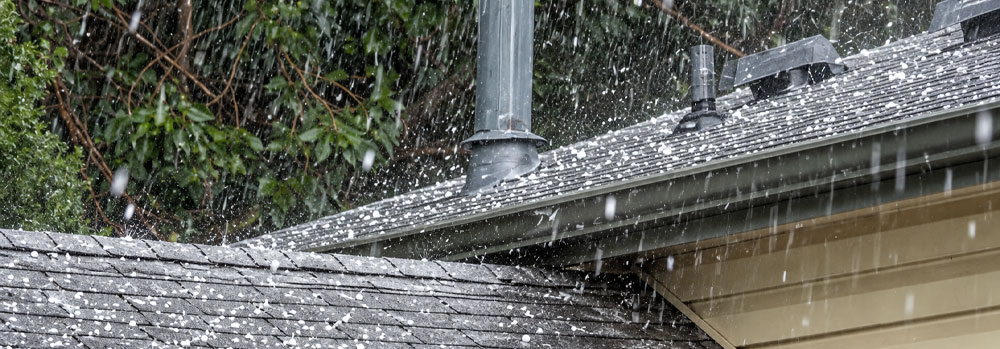
Hailstorm roof damage is not always easy to see from the ground. Hail can crack or loosen shingles, damage flashing, affect gutters, and create openings that allow water to enter your home. After a severe storm, taking the right steps can help prevent a small problem from becoming a larger repair.
1. Check Your Home From a Safe Location
Start by looking at your property from the ground. Do not immediately climb onto the roof after a storm, especially if surfaces are wet or damaged.
Look for:
- Missing or broken shingles
- Damaged flashing
- Dented gutters or downspouts
- Fallen branches
- Loose roofing materials
- Visible debris
If you notice obvious problems, avoid walking on the roof yourself. A damaged surface can create a serious fall hazard.
2. Look for Signs of Water Inside
Some storm-related problems may not be visible from outside.
Check your attic, ceilings, and walls for:
- Water stains
- Damp insulation
- Dripping water
- Dark or wet areas
- Sagging materials
- Musty odors
Finding moisture quickly can help reduce the risk of additional interior damage.
3. Document What You Can See
Take photographs of visible damage from a safe location. Include the roof, gutters, siding, windows, fallen branches, and any interior areas affected by water.
Keep your photos and notes organized. This information can be useful when discussing the condition of your property with a roofing professional or insurance company.
4. Protect the Area From Further Damage
If water is entering your home, take reasonable steps to protect the affected interior area while waiting for professional assistance.
For serious roof damage, a professional may recommend temporary protection such as a tarp. Do not attempt dangerous roof work yourself.
GAF also recommends documenting storm damage and taking steps to limit additional water intrusion after severe weather. GAF’s storm damage guide
5. Check Your Gutters and Downspouts
Hail and strong winds can affect more than shingles.
Inspect your gutters and downspouts for:
- Dents
- Cracks
- Loose sections
- Blockages
- Detached components
- Water drainage problems
Damage to the drainage system can contribute to water problems around your home.
If your gutters were affected, see our gutter repair and downspout services for more information.
6. Schedule a Professional Roof Inspection
A roof can look normal from the ground while still having damage that requires closer evaluation.
A professional inspection can help identify damaged shingles, flashing problems, moisture intrusion, and other issues that may not be obvious to a homeowner.
Our roofing services in Central New Jersey include roof inspections, repairs, maintenance, and replacement options.
7. Address Problems Before They Get Worse
Don’t ignore damage simply because there is no visible leak.
Water can enter through small openings and gradually affect roofing materials, insulation, ceilings, walls, or other parts of the home. Addressing problems early can help prevent more extensive repairs.
If your property has experienced hail or severe weather, our storm and hail repair services can help evaluate and restore affected exterior areas throughout Central New Jersey and Bucks County.
Frequently Asked Questions
Look for cracked or missing shingles, dents, damaged flashing, granule loss, or visible impact marks. Some damage may not be noticeable from the ground, so a professional inspection can provide a more complete assessment.
It is a good idea to check your property after a significant hailstorm, especially if the storm included strong winds or large hail. A professional inspection can help identify damage that may not be immediately visible.
Yes. Hail can damage shingles and other roofing components, creating openings where water can enter. Some leaks may appear days or weeks after the storm.
Document visible damage from a safe location and avoid climbing onto the roof yourself. Contact a professional roofing contractor to evaluate the condition and determine whether repairs are needed.