
Seasonal Roof Maintenance Checklist for New Jersey Homeowners
Your roof protects your home throughout the year, but New Jersey’s changing seasons bring different challenges. Spring rain, summer heat, falling leaves, winter snow, and freezing temperatures can gradually affect roofing materials.
A consistent roof maintenance routine helps homeowners identify early warning signs, prevent avoidable damage, and keep their roofing systems performing properly.
Whether your roof is relatively new or approaching the end of its expected lifespan, this seasonal checklist will help you understand what to inspect and when professional assistance may be necessary.
Why Seasonal Roof Maintenance Matters
Your roofing system is constantly exposed to changing temperatures, moisture, sunlight, and storms.
Regular maintenance can help prevent leaks, support proper drainage, reduce avoidable repairs, and identify damage before it becomes more extensive.
While routine care cannot prevent every roofing problem, it can help extend the useful life of roofing materials and protect your home’s structure.
Spring Roof Maintenance: What to Check After Winter
After months of snow, ice, and freezing temperatures, spring is an ideal time to assess your roof’s condition.
Winter weather can loosen shingles, affect flashing, and leave debris in gutters.
What to Check During Spring
Look for missing, cracked, or damaged shingles.
Check visible flashing around chimneys and vents.
Inspect ceilings for water stains.
Look for moisture inside accessible attic spaces.
Clear debris from gutters and downspouts.
Remove fallen branches from surrounding areas.
Arrange an inspection if severe winter storms caused suspected damage.
Addressing these concerns early helps prepare your home for seasonal rainfall.
Summer Roof Maintenance Checklist
Summer temperatures and prolonged sunlight can gradually affect asphalt shingles and other roofing components.
Heat and ultraviolet exposure may contribute to cracking, curling, fading, and material deterioration over time.
What to Check During Summer
Monitor shingles for curling or cracking.
Look for excessive granule loss.
Check visible roof vents for damage.
Watch for deteriorating seals around roof penetrations.
Arrange safe trimming of overhanging tree branches.
Monitor attic temperatures, moisture, and ventilation.
Proper attic ventilation and insulation help manage heat and moisture, supporting the roofing system’s overall performance.
Fall Roof Preparation: Getting Ready for Winter
Fall maintenance is particularly important in Central New Jersey because it prepares your home for winter weather.
Falling leaves and debris can obstruct gutters, while unnoticed roofing damage may worsen during freezing conditions.
What to Check During Fall
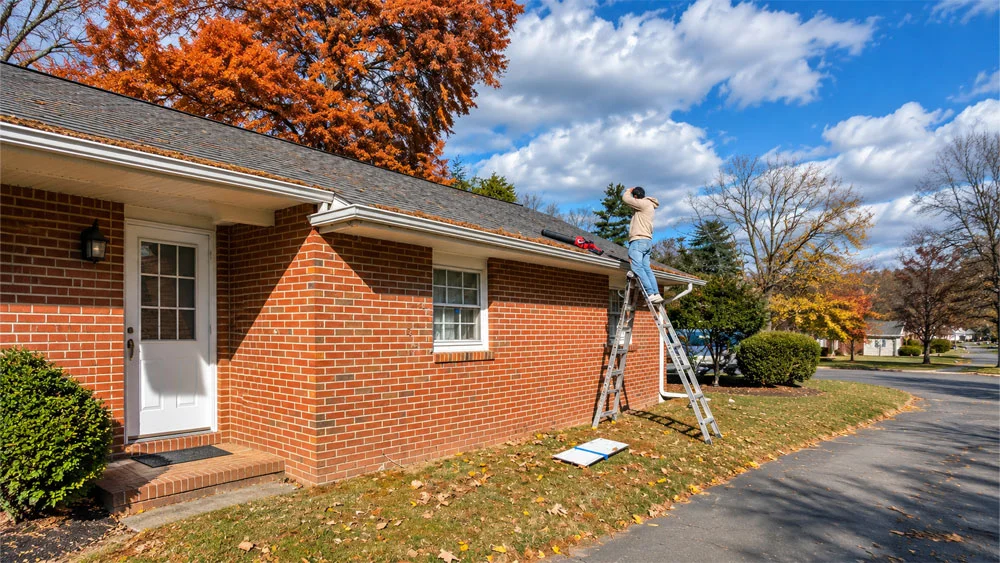
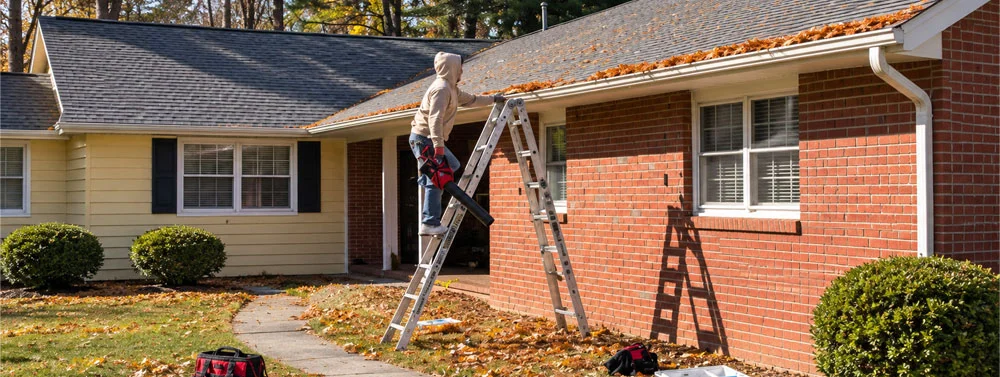
Remove accumulated leaves and debris safely.
Clean gutters and downspouts thoroughly.
Check for loose or damaged flashing.
Inspect visible areas around chimneys and skylights.
Look for fallen branches near the roof.
Confirm downspouts direct water away from the foundation.
Address known leaks before freezing temperatures arrive.
Preparing your roof before winter can help reduce drainage problems and moisture-related deterioration.
Winter Roof Protection: Snow, Ice Dams and Leaks
Snow, ice, and freezing temperatures create additional challenges for residential roofing systems.
Although homeowners should avoid climbing onto icy or snow-covered roofs, several warning signs can be monitored safely.
What to Check During Winter
Watch for unusually heavy snow accumulation.
Look for ice dams along roof edges.
Monitor ceilings for new water stains.
Check accessible attic areas for moisture.
Look for excessive icicle formation.
Ensure attic ventilation openings remain unobstructed.
Contact professionals if snow loads or ice buildup raise safety concerns.
Never attempt dangerous snow or ice removal. Improper techniques can damage roofing materials or create serious injury risks.
Did You Know?
Clogged gutters can contribute to water overflow, damaged fascia, and drainage problems. Keeping them clear also helps reduce conditions that may worsen ice-related moisture issues during winter.
Essential Year-Round Roof Maintenance Habits
Some tasks should be performed regularly, regardless of the season.
Homeowners should visually inspect their property after major storms, monitor ceilings for leaks, and check for missing shingles or damaged gutters.
Keeping nearby trees properly maintained also helps reduce the risk of falling branches.
A simple maintenance record containing inspection dates, photographs, and completed repairs can make it easier to track changes in your roof’s condition.
Warning Signs Your Roof Needs Professional Attention
Routine observation may reveal problems that require a closer inspection.
Contact a roofing professional when you notice missing shingles, recurring leaks, damaged flashing, sagging areas, significant granule loss, or visible storm damage.
Interior water stains and persistent attic moisture also deserve attention.
These warning signs do not automatically mean your roof needs replacement. A professional evaluation can help determine whether repairs are appropriate.
For additional guidance, read our article on 20 Signs You Need a New Roof.
Don’t Forget Gutter and Downspout Maintenance
Gutters play an important role in protecting roofing edges, siding, and foundation areas.
When gutters become clogged or damaged, rainwater may overflow instead of draining away from the home.
Check for debris buildup, loose fasteners, leaks, corrosion, and improper drainage.
Regular cleaning and timely repairs help maintain an effective drainage system.
Explore Ori Roofing’s gutter repair and installation services.
Why Professional Roof Inspections Matter
Even attentive homeowners cannot always identify hidden roofing damage from the ground.
During a professional inspection, roofing contractors may evaluate:
Shingle condition and material deterioration
Flashing around chimneys and roof penetrations
Roof valleys and drainage areas
Gutters and downspouts
Visible decking or structural concerns
Attic ventilation and moisture intrusion
Evidence of storm-related damage
Inspection frequency depends on roof age, condition, and weather exposure. Annual evaluations may be useful, particularly for older roofs or properties exposed to severe weather.
For additional information about roofing materials and maintenance, explore the GAF Roofing Blog.
Frequently Asked Questions About Roof Maintenance
A visual check each season and after significant storms is a practical approach. Professional inspection frequency should reflect your roof's age, condition, and maintenance history.
Homeowners should generally inspect from the ground. Walking on roofing materials can be dangerous and may cause additional damage.
Clogged gutters can cause water overflow, moisture damage, and drainage problems around roof edges, siding, and foundation areas.
Regular maintenance can reduce avoidable deterioration by identifying damaged materials, drainage issues, and small leaks before they become more serious.
Protect Your Roof Throughout Every New Jersey Season
Maintaining your roof doesn’t require waiting until a leak appears.
Seasonal inspections, clean gutters, proper drainage, and timely repairs can help homeowners protect their property and reduce unexpected maintenance expenses.
At Ori Roofing, we focus on transparent communication, quality craftsmanship, and helping homeowners make informed roofing decisions.
We also typically provide labor-only estimates, allowing homeowners flexibility when choosing roofing materials that match their preferences, quality expectations, and budget.
Schedule Your Roof Inspection With Ori Roofing
Want to keep your roofing system in good condition throughout the year?
Whether you need a professional inspection, storm damage assessment, repairs, or roof replacement, Ori Roofing can help you understand your options.
Contact Ori Roofing today to discuss your roofing needs and schedule an inspection.
Proudly serving homeowners throughout Central New Jersey.