
Common Roofing Problems Caused by New Jersey Weather
New Jersey homeowners face changing weather conditions throughout the year, from heavy snowfall and freezing temperatures to summer heat, strong winds, and intense rainstorms. These seasonal changes can gradually weaken roofing materials and create problems that aren’t always visible.
Understanding common roofing problems caused by local weather can help you recognize early warning signs, prevent water damage, and protect your home.
Below are 10 weather-related issues homeowners in Central New Jersey should know about, along with practical ways to reduce their impact.
How New Jersey Weather Causes Roofing Problems
Your roof experiences constant exposure to moisture, sunlight, temperature changes, and seasonal storms.
Over time, these conditions can contribute to cracked shingles, damaged flashing, drainage issues, and premature material deterioration.
Regular maintenance and timely inspections help homeowners identify developing problems before extensive repairs become necessary.
10 Common Roofing Problems in New Jersey
1. Heavy Rain and Roof Leaks
Heavy rainfall can expose weaknesses in aging or damaged roofing systems.
Water often enters through vulnerable areas such as roof valleys, chimney flashing, skylights, vents, and pipe penetrations.
Even minor leaks can damage insulation, ceilings, and interior finishes when left untreated.
What homeowners should do: Check ceilings and attic spaces for moisture after heavy storms. If you notice water stains or active leaks, arrange a professional evaluation.
2. Heavy Snow and Roof Stress
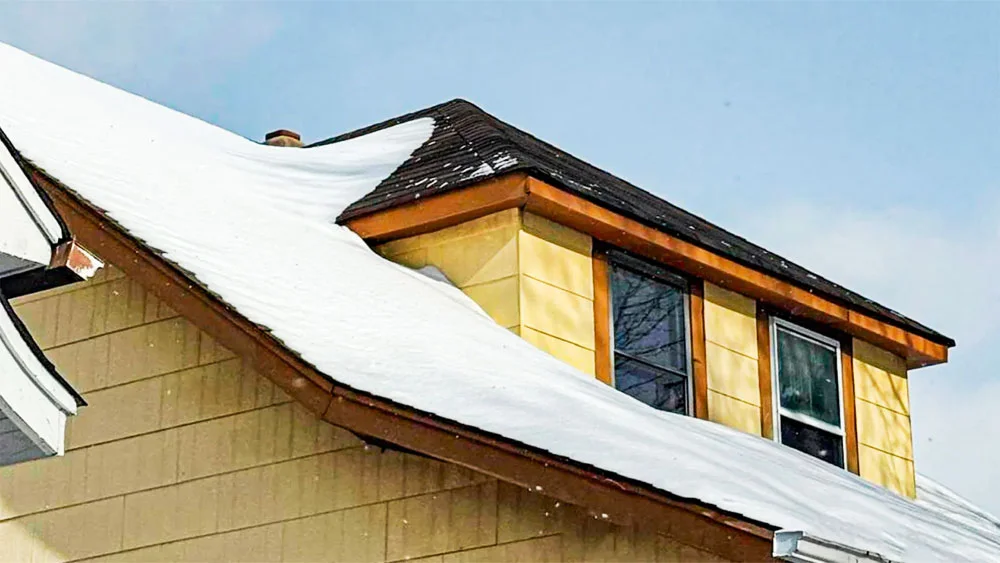
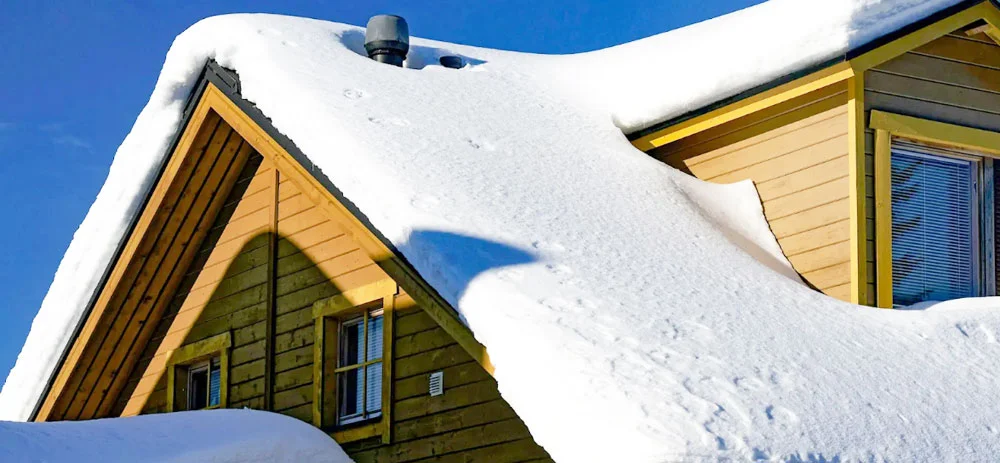
Snow accumulation adds weight to your roofing system, particularly during prolonged winter storms.
Although roofs are designed to withstand expected snow loads, older structures or existing damage may increase the risk of problems.
Heavy accumulation can also affect gutters and contribute to ice formation along roof edges.
What homeowners should do: Watch for unusual sagging, interior cracking, or other signs of structural distress. Avoid climbing onto snowy roofs and seek professional assistance when necessary.
3. Ice Dams and Hidden Water Damage
Ice dams form when snow melts on warmer sections of a roof and refreezes near colder edges.
This ice buildup can prevent proper drainage, allowing water to back up beneath roofing materials.
Potential consequences include ceiling stains, wet insulation, damaged drywall, and deteriorating wood.
What homeowners should do: Maintain appropriate attic insulation, air sealing, and ventilation. If ice dams repeatedly develop, have the underlying cause evaluated.
4. Wind Damage and Missing Shingles
Strong winds can lift, loosen, or remove asphalt shingles.
Even when only a few shingles are affected, exposed roofing materials may become vulnerable to rainwater.
Other warning signs include damaged flashing, fallen branches, and loose roof-edge components.
What homeowners should do: Inspect your property safely from the ground after significant windstorms. Schedule an inspection when visible damage is present.
5. Summer Heat and UV Damage
New Jersey summers bring prolonged sunlight and periods of high temperatures.
Ultraviolet exposure gradually affects roofing materials, potentially contributing to cracking, curling, fading, and granule loss.
These changes may become more noticeable as asphalt shingles age.
What homeowners should do: Monitor visible deterioration and maintain proper attic ventilation. Widespread damage may indicate the need for repairs or replacement.
6. Understand Common Signs of Hail Damage
Hail can affect different roofing materials in different ways.
Common warning signs include:
Missing asphalt shingle granules.
Cracked or fractured shingles.
Visible impact marks.
Dented roof vents or metal flashing.
Damaged gutters and downspouts.
Exposed or weakened roofing materials.
Not every mark indicates functional damage. An experienced roofing professional can help distinguish cosmetic wear from problems requiring repairs.
Did You Know?
A roof doesn’t need to leak to show signs of deterioration. Repeated exposure to sunlight, moisture, wind, and temperature changes can weaken roofing materials long before water enters your home.
7. Freeze-Thaw Cycles
During winter, temperatures frequently move above and below freezing.
Water that enters small openings may freeze and expand, contributing to deterioration around vulnerable roofing components.
Repeated temperature changes can also place stress on sealants, flashing connections, and other materials.
What homeowners should do: Address cracked shingles, damaged seals, and flashing concerns before winter conditions worsen.
8. Clogged Gutters and Poor Drainage
Leaves, debris, heavy rainfall, and winter ice can interfere with gutter performance.
When water cannot drain properly, it may overflow onto fascia boards, soffits, siding, and areas near the foundation.
Poor drainage can also contribute to moisture problems around roof edges.
What homeowners should do: Clean gutters regularly and inspect downspouts to ensure water moves away from the home.
Learn more about gutter repair and installation services.
9. Falling Branches and Tree Damage
Strong winds, snow, and ice can cause nearby branches to break or fall onto roofing surfaces.
Impacts may crack shingles, damage flashing, puncture roofing materials, or affect gutters.
Even smaller branches can create problems when they repeatedly scrape against the roof.
What homeowners should do: Keep nearby trees properly maintained by qualified professionals. After a branch strikes your roof, arrange an inspection if damage is suspected.
10. Gradual Roof Deterioration
Not all roofing damage results from a single severe storm.
Years of exposure to rain, snow, sunlight, and temperature fluctuations gradually affect roofing materials.
Over time, homeowners may notice recurring leaks, damaged shingles, worn flashing, or increased maintenance needs.
What homeowners should do: Track the condition of your roofing system and address recurring problems before they become more extensive.
A professional inspection evaluates more than visible shingle damage.
Roofing contractors may assess:
Shingle condition and material deterioration
Flashing around chimneys, vents, and skylights
Roof valleys and drainage areas
Gutters and downspouts
Roof decking and visible structural concerns
Attic ventilation and moisture intrusion
Damage caused by storms or falling debris
These findings help determine whether targeted repairs are appropriate or whether broader roofing work should be considered.
For additional information about roofing materials and maintenance, homeowners can explore the GAF Roofing Blog.
How to Prevent Weather-Related Roof Damage
Although homeowners cannot control New Jersey’s weather, preventive maintenance can reduce avoidable damage.
Inspect your property after severe storms, keep gutters clear, maintain nearby trees, and address damaged roofing components promptly.
Consider professional inspections when your roof is aging, has experienced significant storms, or shows signs of deterioration.
If you’re already noticing roofing concerns, explore Ori Roofing’s professional roofing services in Central New Jersey.
Frequently Asked Questions About Roofing Problems
Weather exposure contributes to normal roofing deterioration. Heavy rain, snow, wind, UV radiation, and temperature changes can affect material performance over time.
An ice dam forms when melted snow refreezes near a roof's edge. The resulting ice buildup can restrict drainage and allow water to move beneath roofing materials.
A safe ground-level inspection is useful after significant storms. Professional evaluation is recommended when you notice leaks, missing shingles, fallen branches, or other possible damage.
Inspection needs depend on roof age, condition, and weather exposure. Many homeowners consider annual inspections and additional evaluations after significant storms or visible damage.
Protect Your Roof Through Every New Jersey Season
New Jersey’s changing climate creates ongoing challenges for residential roofing systems.
Understanding how seasonal weather affects shingles, flashing, gutters, and drainage can help homeowners make informed maintenance decisions.
At Ori Roofing, we emphasize quality workmanship, transparency, communication, and reliable recommendations.
We also typically provide labor-only estimates, allowing homeowners flexibility when choosing roofing materials that match their preferences, quality expectations, and budget.
Schedule Your Roof Inspection With Ori Roofing
Concerned about weather-related roof damage?
Whether your home needs a professional inspection, storm damage assessment, roof repairs, or a complete replacement, Ori Roofing can help you evaluate the available options.
Contact Ori Roofing today to discuss your roofing concerns and schedule an inspection.
Proudly serving homeowners throughout Central New Jersey.